# Building for Farmers: Handling Uncertainty in Product Design
Lessons learned from designing a platform that embraces the reality of farming
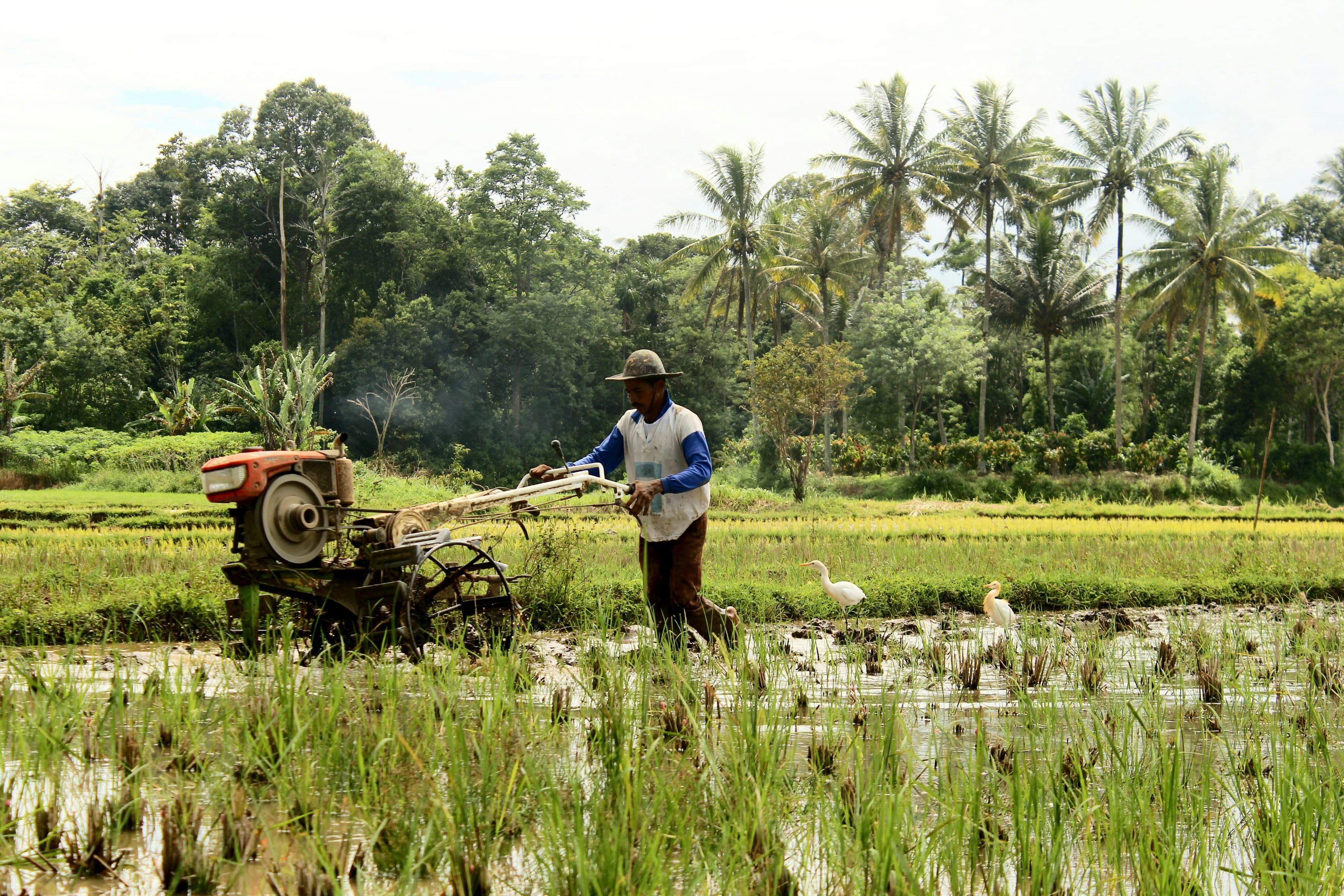
##Goal
Design a platform that embraces the reality of farming—where uncertainty is expected, signals are treated as intent (not promises), and farmers are decision-makers rather than suppliers.
##Context
Most agricultural platforms treat farmers as listings:
- Quantities, prices, availability dates
- Crops treated as products from day one
- Harvests treated as guaranteed
- Selling as a single, clean decision
Real farming doesn't work like that. We needed a system that acknowledged:
- Crops aren't products until harvested
- Harvests aren't guaranteed
- Storage is limited
- Selling involves multiple decisions over time
##What I Tried
###Signal-Based Intent
Farmers declare what they know today:
- What's planted, growing, expected, harvested
- Treated as signals, not promises
- System changes with them
###Harvest Moments
Harvests are handled as time-bound windows:
- Opportunity for buyers, logistics, labor to align
- No pressure to commit early
- No penalty for uncertainty
###Explicit Stored Produce
What farmers have in hand:
- Clearly owned, clearly visible
- Sold only when they choose
- Nothing auto-listed
###Quiet Recommendations
No pushing, no spamming:
- Explain why something might be relevant
- Step back and let farmers decide
###Correction-Friendly Design
Quantities change, dates move, quality varies:
- Platform expects this
- Edits are allowed
- History is flexible
##What Worked
- Farmers responded positively to being treated as decision-makers
- Uncertainty handling reduced anxiety about "getting it wrong"
- Explicit control over stored produce built trust
- Flexible editing reduced support requests
##What Failed
- Initial design punished changes (had to relax this)
- First version had too many required fields
- Early recommendation algorithm was too aggressive
##What I'm Unsure About
- Whether the signal-based model works at scale
- How to balance flexibility with predictability for buyers
- If the "no pressure" approach works for time-sensitive crops
##What I'd Do Differently
- Start with even fewer required fields
- Build the correction-friendly features from day one (we added them later)
- Test with farmers who had never used a digital platform before
###Farmers at the Center, Not at the Edge
Farming has never been just about growing crops.
It's about timing, judgment, uncertainty, and decisions made long before a harvest ever reaches a market.
On most platforms, farmers are reduced to listings—quantities, prices, availability dates.
But real farming doesn't work like that. A crop isn't a product the moment it's planted.
A harvest isn't guaranteed. Storage isn't infinite. And selling is rarely a single, clean decision.
Cropnest starts by acknowledging this reality.
On the platform, a farmer is not expected to be perfect or precise.
Farmers declare what they know today—what's planted, what's growing, what's expected, and what's already harvested.
These are treated as signals, not promises. They can change, and the system is designed to change with them.
Harvests are handled as moments, not listings.
When a farmer announces an upcoming harvest, it becomes a time-bound window of opportunity—where buyers, logistics providers, and labor can align before the crop leaves the land.
There's no pressure to commit early, and no penalty for uncertainty. What matters is intent and timing, not overconfidence.
Stored produce is treated with the same respect.
What a farmer has in hand is theirs—clearly owned, clearly visible, and sold only when we choose.
Nothing is auto-listed. Nothing is assumed. Every sale is explicit, deliberate, and under the farmer's control.
Recommendations on Cropnest are quiet by design.
We don't push, don't spam, and don't force action.
Instead, we explain why something might be relevant—nearby demand, better pricing, or a seasonal opportunity—and then step back.
The farmer decides what to do next.
Most importantly, Cropnest accepts that farming involves correction. Quantities change. Harvest dates move. Quality varies. The platform doesn't punish this—it expects it. Edits are allowed. History is flexible. Trust is built through follow-through, not through rigid accuracy.
By treating farmers as decision-makers rather than suppliers, Cropnest creates space for confidence, clarity, and long-term relationships. It doesn't try to make farming faster or louder.
It tries to make it fairer, calmer, and closer to how farming actually works.
Design principles are implemented. Will refine as we learn more from real usage.